payday loans

Archive for the ‘baking’ Category

Taralli—Italian Pretzels

April 26 is National Pretzel Day and I wanted to share my recipe for traditional Italian

Taralli

Taralli

pretzels called taralli.

Just about anyone of Italian descent is familiar with taralli. Common all along the southern provinces of Italy, taralli are crunchy and pretzel-like and are eaten as bread or enjoyed as a snack.

These baked snacks are often referred to in English as biscotti, because technically it is cooked twice (the definition of biscotti). But the end product is nothing at all like a biscotti. In both appearance and texture, these are more like hard pretzels.

Believed by many to have originated in Puglia, where bread reigns supreme and bread-like products are abundant, taralli start off much the same way as other pretzels: they are shaped, boiled, and baked until hard and crisp. There is a subtle difference between taralli and pretzels, though. Pretzels are often made with eggs, which give them a “softer” crunch flakier texture than taralli, and the spices added to taralli make them the perfect accompaniment to meals.

I never had much of a sweet tooth, not even as a child. I got this trait from my mother, who would (and still does) pass up a slice of cake for a tasty cracker and some grapes anytime. This proclivity, plus a desire to avoid giving her family too many sweets, my mother has always made taralli for us to snack on.

The crunchy, pretzel-shaped treat and, fennel seeds give these biscuits their unique flavor and aroma, but sweeter versions can also be found.

Although taralli are eaten throughout the year, production by bakeries and home cooks alike ramps up around holidays. This Easter, I helped my mother make the taralli and here are some shots of the process, as well as her recipe, which appeared in my cookbook, What, No Meat? Traditional Italian Cooking the Vegetarian Way. Enjoy.

Taralli

Biscotti di Mamma (My Mother’s Pretzels)

1 package active dry yeast
5 pounds all-purpose flour
1 tablespoon salt
4 teaspoons fennel or anise seeds
5 eggs, slightly beaten
1 1/3 cups corn oil

Sprinkle the yeast into 1 cup very warm water. Let it sit until it is murky, about 5 minutes. Stir until all the yeast is dissolved.

IMG_0258

On a kneading board, make a well of flour. Have about 2 cups warm water nearby. Sprinkle the salt and seeds over the flour. Place the remaining ingredients in the center of the well and begin mixing by working your way around the inside of the well with your hand and pulling in the dry ingredients, a little at a time. Mix all the ingredients well. If the dough is too dry, add a little water as you mix. Knead the dough for about 5 to 7 minutes. The dough should be firm but not tough. If it is too wet, add a little more flour and work it in. If it is too dry, add more water and work it in.

IMG_0262

Cut the dough in half. Cover one half with a bowl until you are ready to use it. Cut off several 1-inch pieces from the other half and cover the rest with a bowl. Roll a piece out into a 1/4-inch-thick rope. Fold over the ends of the rope to make a criss-cross shape. Press the ends in firmly or they will come apart. Repeat this process with the remaining dough.

IMG_0271IMG_0266

As you are shaping the last few pretzels, bring a large pot of water to boil. Place several pretzels into the boiling water (this will give them a flaky texture and a shiny exterior). When they rise to the surface, remove them immediately with a slotted spoon and place them on a clean cloth towel to dry. They should only take about 30 seconds to rise. If they don’t rise after a minute, nudge them a little with the spoon—they sometimes stick to the bottom of the pot. Boil the remaining pretzels and allow them to dry out, about 10 minutes.

IMG_0281

As the pretzels are drying, preheat the oven to 375. When the pretzels are dry, lay them directly on the oven racks, about ½ inch apart, and bake them until the undersides are a golden brown, about 10 to 15 minutes. Turn them over and bake until their undersides are deep golden brown, another 10 minutes. If they burn quickly, lower the oven to 350º. They will not all brown at the same rate so keep checking them. Remove the ones that are done and replace them with others.

IMG_0284

Serve them as a snack or as an accompaniment to antipasto or dinner.

IMG_0288


Store the pretzels in a tin or loosely covered in a basket up to 2 months.

Makes 70 to 80 pretzels.


National Oatmeal Cookie Day

Is there anything homier or more comforting than an oatmeal cookie? Is there a confection that smells any better? In fact, I think I enjoy smelling them more than I do eating them. The aroma is just irresistible.

Oatmeal-Raisin Cookies (photo by Mindmatrix)

Oatmeal-Raisin Cookies (photo by Mindmatrix)

As you might suspect, it’s believed that oatmeal cookies got their beginning in Scotland, where oats are an integral part of life. They began as oat cakes and eventually evolved into the cookie we know today. The first written oatmea- raisin cookie recipe appeared in the Fannie Farmer Cookbook in 1896, in which Fannie Merritt Farmer referred to them as “health food.” Quaker Oats began putting a recipe for oatmeal-raisin cookies on their boxes of oat,s and by the early 1900s, it was a household dessert.

So, in honor of National Oatmeal Cookie Day, March 18, here’s a basic recipe for oatmeal-raisin cookies.

Oatmeal-Raisin Cookies
Print
Recipe type: Cookies, dessert, snack
Author: MizChef
Serves: 24
Ingredients
  • 3/4 cup all-purpose flour
  • 1/2 teaspoon baking soda
  • 1/2 teaspoon salt
  • 1/2 cup butter, at room temperature
  • 1/2 cup packed brown sugar
  • 1/4 cup granulated sugar
  • 1 egg
  • 1/2 teaspoon vanilla extract
  • 1 cup quick oats
  • 1/2 cup raisins
Instructions
  1. Preheat the oven to 375 degrees. Line a couple of large baking sheets with parchment paper.
  2. Whisk together the flour, baking soda, and salt; set aside.
  3. Using a mixer, cream together the butter with the 2 sugars. Add the egg and vanilla extract and beat well. Add the flour mixture and blend well. Finally, stir in the oats and raisins.
  4. Place the dough by the tablespoonful on the baking sheets about 1 inch apart. Bake about 10 to 12 minutes, or until lightly browned. Cool on baking sheets for 5 minutes, then transfer to cooling racks.


An Evening with Dorie Greenspan

Evening w/ Dorie Greenspan program

Evening w/ Dorie Greenspan program

What would you expect when you meet a person who has twice won a James Beard Foundation Award and two International Association of Culinary Professionals Cookbook of the Year Awards, not to mention being listed on the James Beard Foundation’s Who’s Who of Food and Beverage in America?

You might expect a big head and a blustery mouth. In many cases, that’s exactly what you would get.

But that’s not what I found in Dorie Greenspan. I met her at “An Evening with Dorie Greenspan,” a fundraiser held by New York Women’s Culinary Alliance at the Institute for Culinary Education in New York.

When Dorie was speaking to her rapt audience, as well as when she was speaking with me personally, Dorie was gracious, humble, and as sweet as any of her famous desserts. Plus, she had a great sense of humor.

When I first spoke with her, she saw my name tag and asked, “Did you marry into that name or did you come with it?” I told her that I came with it and she asked, “Do you just love it?” When I said “no,” she said, “Well, I do.”

Dorie Greenspan (right)

Dorie Greenspan (right)

She had me at hello. Right there she showed me the kind of person she is. She directed that comment toward me—that is, the remark was about me, rather than her. What that told me was that she is not all about herself, that she takes an interest in other people. And when I told her that I had baked her Marie-Helene’s Apple Cake for the event (about 30 people volunteered to make something out of Dorie’s latest cookbook, Around My French Table), she acted as if I had done HER an honor.

I also expressed my concern over having had to transport the cakes on the train twice (once to work and then to ICE), she replied that she didn’t think that Marie-Helene had ever put it through the subway test. I told her that now it’s been through the subway test and it passed. Later, when she was signing a copy of Baking: From My Home to Yours for me, she thanked me for making the apple cake, which I thought was very sweet.

Dishes lined up for tasting

Dishes lined up for tasting


When she addressed the gathering and talked about her life in the food writing business, she was genuine about herself and her career. She did not sugarcoat her experience; rather, she was almost amazed at how it all worked out for her.

What struck me, though, was how similar her experiences are to mine (or her feelings about them). Although we obviously have very different levels of success, her life seemed to mirror mine in many ways (which probably means that many food writers have been through the same exact obstacle course).

She mentioned that after getting her very first piece published in Food & Wine, she didn’t have anything published for 2 years. She said, “There are always dry spells.” Boy, don’t I know it. She also asked the audience if we all found that we never have the time to cook for fun because we’re always so busy testing and developing recipes. Many of us nodded and I, in particular, was glad she voiced that sentiment because for someone who loves to cook, I can never really do it in the way I want. In the little “free time” that I have, I’m always working on some recipe or another.IMG_0139

Anyway, the event was a success and everyone seemed to have a really good time. I saw a few people whom I’d met before and met some people for the first time. So, for me, it was worth dragging 2 apple cakes up and down subway stairs, lifting my rolling case above my head to get it through the turnstile then rolling it across rutted and pocked streets. I was actually amazed that it survived and that it stayed in one piece.

Marie-Helene’s cake has truly been through the subway test and survived.

IMG_0149

Marie-Helene’s Apple Cake, post-travels


Blond Brownies

January 22 is National Blond Brownie Day—as if anyone needs an excuse to eat a brownie, blond or otherwise.

Although blond brownies, or blondies, aren’t as popular as brownies, it is believed that they may have predated brownies. Foodtimeline.org states:

According to old cookbooks, blonde brownies (also known as “Blondies”) predated chocolate brownies, though under different names. The primary ingredients of blondies (brown sugar/molasses and butter) compose butterscotch, a candy that was popular in America in the mid-19th century. Some 19th century American cookbooks contain recipes that combined traditional butterscotch ingredients with flour and a leavening agent (baking powder or soda). Presumably, these recipes would have produced something similar to the blonde brownies we enjoy today.

I’ve made some pretty good blondies, rivaling the many brownies I’ve made and tasted. I’ve

Photo: chocolate-candy-mall.com

Photo: chocolate-candy-mall.com

also been experimenting a lot with making gluten-free/wheat-free baked goods because I’ve been getting a lot of requests for them and I tried my hand at blondies. For people who have a wheat allergy but not Celiac Disease, I found that a 1:1 substitution of spelt flour works very well.

Also, generally speaking, blondies can be boring to look at. Unlike a brownie, with its dark, alluring, chocolaty sheen, blondies don’t exactly draw you in with their plain-jane appearance. Topping are how you will appeal where blondies are concerned. I don’t think frosting is a good idea, because they can easily be mistaken for one of those Entenmann’s-type cakes in a box (not that I have anything against Entenmann’s). Plus, frosting is boring. Toppings give the blondies some zip. You can try chocolate chips, butterscotch chips, coconut, nuts, chocolate, dried fruit, etc.

This is my version of blondies, with spelt flour and walnut-chocolate chip topping.

Nut-Chocolate Chip Blondies
Print
Ingredients
  • ½ cup butter, room temperature
  • 2 cups packed brown sugar
  • 2 cups spelt flour
  • 1 teaspoon baking powder
  • ½ teaspoon salt
  • 1 teaspoon vanilla extract
  • ¾ cup milk (regular, soy, almond, or coconut)
  • 1 egg
  • ½ cup chopped walnuts, almonds, or pecans
  • 1 cup semi-sweet chocolate chips
Instructions
  1. Preheat oven to 350 degrees. Line a 9 x 13-inch baking pan with parchment paper and set aside.
  2. Using a mixer, mix the butter and sugar together until light and fluffy. Add the flour, baking powder, and salt and blend well. Add vanilla, milk, and egg and blend until smooth.
  3. Pour into baking pan and smooth it out. Spread the nuts and chocolate chips evenly across the top.
  4. Bake until a toothpick inserted into the center comes out clean, about 30 to 35 minutes.
Notes

Blondies can be a blank canvas for many different flavor profiles. Try using different chips, like white chocolate, butterscotch, peanut butter, or cinnamon, or adding coconut, dried fruit, sesame seeds, or M&Ms.


Jamaican Black Cake (aka Christmas Cake)

Several years ago, a co-worker, who was from Jamaica, introduced me to black cake. I asked her for a recipe (which I shared on Epicurean.com), and every year since, I’ve told myself that I would make this cake. Also referred to as Christmas cake, it is a tradition in Jamaica (and other parts of the West Indies) to serve this cake at Christmas, as well as weddings and other special occasions.

The problem is that in order to get a really good black cake, you have to begin the process at least several weeks in advance, and who’s thinking about Christmas in September? (Okay, well, many of you probably start your Christmas shopping in July, but the way my life has been going the past several years, my thoughts about Christmas have had me on the brink of nervous breakdowns trying to find gifts on Christmas Eve.)

But this year, I was determined to make a black cake, so I marked my calendar for September. That’s when I was going to initiate the process. And so I did.

Dried fruit

Dried Fruit

Black cake/Christmas cake is also sometimes called plum pudding because it is derived from the traditional British Christmas cake of the same name. Plum pudding is basically fruit cake and the addition of brandy  was to keep it fresh on long voyages across the seas (plus it tastes good). (Plum pudding is traditionally lit aflame at presentation time. I suspect that this was done the first time by accident as a result of someone getting a little too close to it with a candle or something.) When the British began trading through the Caribbean, the plum pudding went with them. But rum, rather than brandy, was the liquor available on the islands, and sugar and molasses became the sweeteners. The addition of allspice and nutmeg are more Island touches on the old recipe.

Fruit port and rum

Fruit in port wine and rum

It is said that the original recipe for plum pudding dates to Medieval times, when it called for 13 ingredients—1 for Jesus Christ and 12 for his apostles—and was to be made on Christmas Eve. Since then, it’s become a more elaborate affair. As other fruit cakes, a black cake contains various dried fruits that are macerated in rum and, sometimes, port wine for weeks. The ideal time to bake it is a couple of weeks before Christmas, and as the days go by, it is occasionally basted with more booze.

So, in September, I put my fruit—raisins, golden raisins, plums, figs, dates, and cranberries—in a large container with a cover and poured in a wee bit of rum and port wine and let that sit until December. About a week before Christmas (I couldn’t get around to it before then), I baked the cake, basted it a few times, and brought it for Christmas Eve dinner. It came IMAG0262out fabulous. It was moist and incredibly flavorful, and even though it was loaded with alcohol, the rum and wine had mellowed into a fruity liqueur-like flavor. It’s not like any fruit cake you’ve ever had, I guarantee it. Normally, black cake is served as is, but I wanted it to look a little more festive so I iced it with a basic powdered sugar icing (which eventually melted). The only thing was that my cake was not as dark as it should be (it is called black cake, after all). So, I increased the browning in the recipe. Browning is also known as burnt sugar and can be found in West Indian markets.

I share this with you now so that you can prepare ahead of time for next Christmas. Enjoy!

Black Cake 2

Jamaican Black Cake (aka Christmas Cake)
Print
Author: MizChef
This cake is a traditional Christmas and special-occasion dessert throughout the West Indies, but particularly Jamaica, where it’s brought to weddings and parties. Do step 1 of this recipe approximately 2 months (or at least 2 weeks) before you want to bake the cake.
Ingredients
  • 4 cups mixed dried fruit (raisins, currents, prunes, citron, cherries, dates, figs, etc.)
  • 1 cup white rum
  • 1 pint port wine
  • 1 ½ cups all-purpose flour
  • 2 tablespoons baking powder
  • 1 cup butter
  • ½ cup sugar
  • ½ cup packed brown sugar
  • 6 eggs
  • 3 tablespoons browning*
  • 1 teaspoon vanilla extract
  • 1 teaspoon almond extract
  • 1 tablespoon molasses
  • 2 teaspoon lemon juice
  • 1 teaspoon nutmeg
  • ¼ teaspoon allspice
  • ½ teaspoon cinnamon
  • ¼ teaspoon ginger
  • 1 teaspoon lemon zest
  • 1 cup nuts
Instructions
  1. Rinse the fruit under running water and drain well. Place in a sealable bowl and mix in the rum and port wine. Seal bowl and refrigerate and let sit for about 2 months. If the liquid gets completely soaked up, add more rum as needed.
  2. On the day of baking, drain the fruit over a bowl and reserve the liquid. Using a food processor or blender, grind half the fruit until it’s in small pieces (but not a paste).
  3. Grease a 10-inch cake pan; line it with parchment paper. (You can also use aluminum foil, but make sure to grease the foil.) Preheat the oven to 350 degrees.
  4. In a medium bowl, whisk the flour and baking powder; set aside.
  5. Using a mixer, beat butter and sugars until light and fluffy. Add eggs, one at a time, and mix until batter is smooth.
  6. Add half the flour and mix in; add remaining flour and mix in.
  7. Add the browning, vanilla, almond, molasses, lemon juice, spices, and zest. Add 1 cup of the reserved liquid and beat until well blended.
  8. By hand, blend in all the fruit and nuts.
  9. Bake for one 1 ¼ to 1 ½ hours, or until knife inserted in center comes out clean. Begin checking it at 1 hour.
  10. When done, place pan on a cooking rack and let it sit for about an hour. Invert it and remove the paper. Let cool completely. Baste every now and then with leftover liquor until ready to serve.
Notes

Makes 1 10-inch cake.

* Browning, also known as burnt sugar, is available in Jamaican/West Indian markets and sometimes in markets that have a wide variety of ethnic products. It’s used mostly for coloring. If you can’t find it, double up on the molasses.


Cranberry Sauce-Walnut Bread

Cranberry Sauce-Walnut Bread

One of the things that people who love to cook relish about Thanksgiving is the leftovers. For people who don’t enjoy cooking, it can often be a sad week of turkey sandwiches accompanied by the same stuffing, same mashed potatoes, same peas and carrots, same everything.

But for cooks, it’s a time to let our creativity take flight. What can be done with all that turkey, stuffing, potatoes, etc? How many different ways can we re-purpose them? What new dish can we create with the squash or green beans? Maybe there’s a turkey recipe that you’ve been holding onto until the day after Thanksgiving to give it a go. Some people dread the leftovers; the rest of us say, “It’s go time.”

I love making fresh cranberry sauce every year. It’s far superior to the canned stuff. (Here’s my recipe for this year’s batch.) But the cranberry sauce never goes completely. I mean, there’s only so much of it you can eat at dinner. Plus, some people are gravy people, rather than cranberry sauce people, and others prefer not to dress their turkey at all. So, what do you do with leftover cranberry sauce? The list of possibilities is endless. Or, at least, long. Here are some ideas:

  1. Mix a tablespoon of it into chicken or tuna salad.
  2. Make a salad dressing. Add 1 or 2 tablespoons to a homemade vinaigrette.
  3. Use it as a sauce for meats, vegetables, fish, and (my favorite) vegetarian “chicken” patties.
  4. Mix about ½ cup to 1 cup of it into cheesecake before placing it in the oven. (Just swirl it in; don’t overmix.)
  5. Dollop some on top of slices of pound or angel cake.
  6. Stir about 1 cup of it into a big pot of chili.
  7. Make ketchup out of it—add it to a traditional homemade ketchup recipe.
  8. Turn it into salsa by adding some minced jalapeno or some chili powder and cumin to it, or a chutney by adding other dried or fresh fruits, such as raisins, chopped dates, or chopped apple.
  9. Use it as jam for toast, muffins, or bagels.
  10. Mix about ¼ cup into muffin batter.
  11. Use it as an ingredient in homemade ice cream.

A really simple way to use cranberry sauce is to add it to a breakfast bread. This one is a healthy loaf, using whole wheat flour and flax seeds. You don’t need a lot of sugar, either, because there are sweeteners already in the sauce. As for the flax seeds, use a clean coffee grinder to grind it until you get a coarse powder. Enjoy!

Flax Seeds


Ground flax seeds

Cranberry Sauce-Walnut Bread
Print
Recipe type: Bread, Breakfast, Snack
Author: MizChef
A great way to use leftover cranberry sauce is in this healthy breakfast loaf.
Ingredients
  • 1 cup whole wheat flour
  • 1 cup all-purpose flour
  • 1 tablespoons flax seeds, ground
  • 2 tablespoons sugar or maple crystals
  • 1 teaspoon baking soda
  • ½ teaspoon ground cinnamon
  • ¼ teaspoon allspice
  • ¼ teaspoon nutmeg
  • 1/2 teaspoon salt
  • 2 large eggs
  • 3/4 cup buttermilk
  • ½ cup cranberry sauce
  • ½ cup chopped walnuts
Instructions
  1. Preheat oven to 375. Line an 8 x 4-inch loaf pan with parchment paper so that parchment sticks out of the sides (or grease it very well).
  2. In a medium bowl, whisk together flours, flax seeds, sugar, baking soda, cinnamon, allspice, nutmeg, and salt.
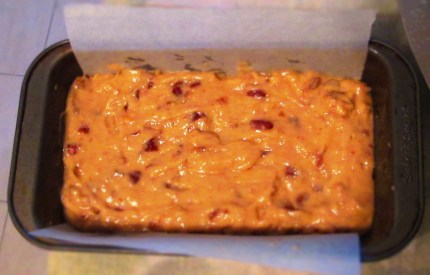
  3. In a small bowl, mix together eggs and buttermilk. Mix this into the flour mixture just until all dry ingredients are moistened. Stir in the walnuts. Swirl in the cranberry sauce, but don’t mix it in completely—you just want it to run through the batter.
  4. Spoon batter into loaf pan. Bake until lightly golden on top and a toothpick inserted in the center comes out fairly clean, about 20 to 25 minutes. Some moist cranberry on the toothpick is okay.
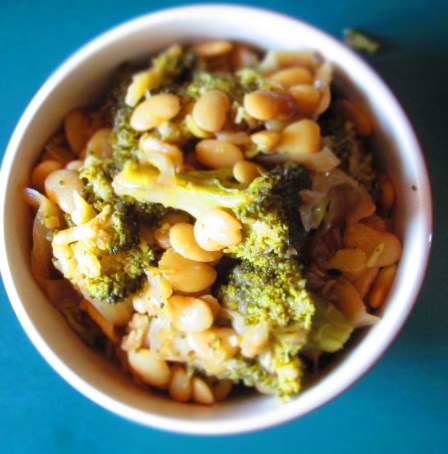
  5. Set pan on a wire rack to cool for 10 minutes. Turn loaf out onto the rack. Serve warm or cool completely.
Notes

Makes 1 (8 x 4) loaf.


Avocado Cream Tartlets

This is another recipe I entered in the Food52 avocado contest. The original tartlet shells were a little too sweet to go with the avocado cream or to serve them as hors d’oeuvres, but with some minor adjustments, I thought it came out pretty tasty.

Avocado Cream Tartlets

Makes 16 small tartlets.

Shells

Vegetable oil for brushing
½ cup walnuts, ground
½ cup steel-cut oats, ground
½ cup whole-wheat pastry flour
½ teaspoon cinnamon
2 tablespoons maple syrup
¼ cup coconut or canola oil
Pinch sea salt

Avocado Cream

2 ripe Haas avocados
3 tablespoons lime juice
½ teaspoon honey
Pinch cayenne pepper
¼ teaspoon sea salt
¼ cup pepitas (pumpkin seeds), chopped

1. Preheat oven to 350 degrees. Oil 16 small tartlet molds with oil.

2. Make shells: Combine all shell ingredients in a medium bowl until a moist dough forms. Press equal amounts into the bottoms and up the sides of the molds.

Bake for 15 minutes. Let cool completely. Remove from the molds.

3. Remove the skin and pits from the avocados and place in a food processor. Add the lime juice, honey, cayenne, and salt and process until smooth.

4. Spoon the avocado cream into the tartlet shells. For a more attractive appearance, place the cream in a pastry bag and pipe it into the shells.

Sprinkle the pepitas over the top. Serve chilled or at room temperature.


Chocolate Cake with Avocado Mousse

I recently entered the avocado contest over at FOOD52, the food website founded by Amanda Hesser. Every other week, they announce a new contest in which entrants must use a particular ingredient in a recipe (or recipes). It can be a recipe that a member has already posted or it can be a new recipe. I decided to enter 4 recipes.

Out of 157 entries, they picked about 20 or 25 and, sadly, mine were not among them. So, I thought I’d share with you here those recipes, which I think are pretty darn good. You can also find them on the avocado test page at FOOD52. Look for the ones “added by MizChef.”

The first one I’m posting is Chocolate Cake with Avocado Mousse. It’s a rich chocolate cake layered with a zesty avocado mousse and white chocolate chips, which give it a gratifying solid, chewy element but because they’re white, they don’t compete with the chocolate cake. There’s a health benefit in this dessert, too. No, really! Chocolate has antioxidants and avocadoes have omega-3 fatty acids, so go on—indulge. It’s decadent but HEALTHY, so the problem?

Chocolate Cake with Avocado Mousse

Makes 12.

1 chocolate sheet cake (9×13”)
2 Haas avocados
1/4 cup lime juice
1 teaspoon vanilla extract
1 tablespoon honey
1 tablespoon citrus zest (orange, lemon, lime or a combo)
1 teaspoon maple crystals
1/3 cup white chocolate chips

1. Trim off about 1 inch from each end of the cake. Split the cake in half, lift off the top half, and set aside.

2. Combine avocados, lime juice, vanilla, honey, citrus zest, and maple crystals in a food processor and process until completely smooth. (Stop the machine and push down the mixture with a rubber spatula, if necessary.)

3. Spread the avocado mixture evenly over the bottom half of the cake. Sprinkle the chips evenly over the avocado.

4. Replace the top half of the cake. Cut into 12 squares, or use a 2 1/2-inch ring mold to cut out circles.

5. Serve as is or sprinkle powdered sugar over the top.


Breakfast Sweet Potato-Barley Muffins

In my quest to diversify my breakfasts, I keep trying new versions of standard breakfast fare: different kinds of smoothies, whole-grain pancakes, and low-carb or gluten-free muffins. The goal is to keep everything as healthy as possible. So I have been experimenting quite a bit. Sometimes the recipes work out, sometimes they don’t.

This one did. I found a recipe somewhere for sweet potato muffins and I decided to make my own version. These muffins are light and not very sweet, making them perfect for breakfast. Barley gives it a nice chewy texture and the addition of almond milk and whole wheat flour make it a healthy alternative to standard muffins (if you can make your own almond milk, as I did for this recipe, all the better). You can serve them with preserves or sorghum molasses or honey spread on top, whipped cream, or cream cheese for added sweetness.

Breakfast Sweet Potato-Barley Muffins

Makes 12 muffins

¾ cup barley
1 1/2 cups whole wheat flour
2 tsp baking powder
1 tsp ground cinnamon
½ tsp allspice
1/4 tsp ground cardamom
¼ tsp kosher salt
¾ cup mashed bananas
2 cups mashed sweet potatoes
¼ almond milk
¼ cup coconut oil, melted
1 egg, lightly beaten
1/4 cup sorghum molasses or honey
1 tsp vanilla extract
1/4 cup dried cranberries or other fruit


1. Preheat oven to 350 degrees. Grease a 12-cup muffin tin.

2. Soak the barley in a bowl of water for about 20 minutes; drain and rinse. Place the barley in a pot with enough water to cover the barley by about an inch. Cook for about 15 or until tender but still firm. Drain well. Set aside.

3. In a medium bowl, whisk together the flour, baking powder, cinnamon, allspice, cardamom, and salt. In a large bowl, combine the mashed bananas and sweet potatoes, almond milk, coconut oil, egg, sorghum molasses, and vanilla.

4. Add the cooked barley to the wet ingredients and mix well.

5. Add the flour mixture and dried fruit to the sweet potatoes mixture and fold it in just until all the dry ingredients are moistened.

6. Distribute the batter evenly into the muffin cups; it’s okay if the cups are overfilled. Bake for 2 to 25 minutes, or until a toothpick inserted comes out clean. Place the tin on a wire rack and let cool 10 minutes; turn the muffins out onto the rack. If they stick, run a knife around the muffins. Let cool completely.

7. Serve with fruit preserves or butter. Store in a plastic bag or tin.

Scrumptious Gluten-Free Pumpkin Cupcakes

A friend of mine recently asked me to make cupcakes to bring to a bridal shower. This friend has health issues that necessitate her to be on a gluten-free diet and she asked that I make the cupcakes gluten free. She’d tried some of my baked goods and had really enjoyed them. She wanted hers to be pumpkin and chocolate—40 of each. The verdict from the shower was that everyone loved the pumpkin, but the chocolate not so much. The chocolate had received positive reviews when I brought samples to work but even then I knew that the texture wasn’t quite right. They were very dense and rich and everyone thought they were great. One person told me that after she ate one, she wasn’t hungry for hours and she thought this was a good thing, but I knew that heartiness just isn’t what you want in a cupcake.

I tried it again, and I wasn’t able to quite get it right before the shower. I simply didn’t have the time.

The pumpkin, on the other hand, was a hit. I took the basic combination of ingredients for pumpkin cake and altered the recipe to make it less sweet than most cakes and, of course, gluten free. Actually, I should probably say “low gluten” instead because I substituted all-purpose flour with spelt flour. Spelt is a low-gluten wheat variant, so most people with wheat sensitivities can tolerate spelt, but those with full-blown Celiac Disease usually cannot.

I also wanted to make it lower in sugar, so I cut back on the amount that I saw most pumpkin cake recipes call for. And because I substituted brown sugar for white, it made it a little fluffier (not sure why) and more flavorful.

Now here’s where I had to make a decision between whole-food/holistic-eating versus weight loss diets. In the first category lies the basic tenet that you should eat foods in their whole forms—i.e., all its edible parts. In the case of dairy, that means with full fat. When fat is removed from dairy, the enzymes which make it digestible are also removed, making it a bigger issue for lactose-intolerant people than full-fat dairy would be.

BUT everyone is concerned about their weight, cholesterol, etc. My friend was concerned about bringing the cupcakes to the shower in the first place because the bride is a little overweight. She asked me if I could make them even lower in sugar than my samples. I told her that if I took out any more sugar, they would taste like nothing. Then she asked me if I could keep the frosting off, and I explained that cupcakes without frosting are muffins and hardly party fare. At first, I offered to try and experiment with alternate sweeteners (honey, applesauce, maple syrup, maple crystals) but I was faced with a time crunch. Experimenting like that—substituting ingredients that are vastly different than the original—often takes multiple tries to get right. I didn’t have the luxury of time in which to do that.

So, to compensate, I made the decision to use low-fat cream cheese for the frosting. My teachers at the Natural Gourmet Institute would tsk-tsk me, I’m sure. But I think they would also agree that we have to compromise sometimes—they themselves taught me that we can’t be “good” one hundred percent of the time. All we can do is do our best as often as possible. So, here’s my recipe for a gluten-free, low-sugar, low-fat (not vegan) but really tasty (no, really!) Pumpkin-Coconut-Walnut Cupcakes with cream cheese frosting.

Pumpkin-Coconut-Walnut Cupcakes

Yield: 20 cupcakes

3 cups spelt flour
2 teaspoons baking powder
1 teaspoon baking soda
1 teaspoon cinnamon
½ teaspoon nutmeg
¼ teaspoon salt
1 cup unsalted butter, softened
1 to 2 cups brown sugar (depending on how sweet you want it)
4 eggs
1 (15-oz. can) pumpkin
2 teaspoons vanilla or almond extract
½ cup desiccated (unsweetened) coconut
¾ cup chopped walnuts

Frosting

¾ cup unsalted butter, room temperature
2 (8-oz.) packages low-fat cream cheese, room temperature
4 cups powdered sugar, sifted
2 teaspoons vanilla extract

1. Heat oven to 350 degrees. Place 20 paper muffin cups into muffin tins.

2. In a medium bowl, whisk together the flour, baking powder, baking soda, cinnamon, nutmeg, and salt.

3. In a stand mixer, beat the butter until smooth. Add the sugar and beat until light and fluffy, about 3 or 4 minutes. Add the eggs, one at a time, beating in each one before adding the next. Add the pumpkin and vanilla and beat until well blended. (The mixture will look curdled but that’s okay.)

4. At low speed, add the flour mixture, a little at a time, to the pumpkin mixture. Increase speed and beat until well blended. Fold in the coconut and walnuts.

5. Place about ¼ cup of the batter into each paper cup. (Pour water into any empty muffin wells, about ¼ of the way up, to prevent them from scorching.)

6. Bake for about 30 minutes, or until a toothpick inserted into the center comes out clean. Remove from oven and let cool for 5 minutes, then transfer them to racks and let cool completely. Meanwhile make the frosting.

7. Beat the butter until white and fluffy. Beat in the cream cheese and then the vanilla. Begin adding the sugar a little at a time; alternate beating at low speed (when first adding the sugar) and high speed (to blend it in well). Stop adding when you’ve reached the consistency you want. Continue beating until completely smooth.

8. When cupcakes have cooled, spread or pipe on the frosting. Decorate as desired.

Proud member of FoodBlogs
Advertisement
Archives
Categories